
Pablo Picasso (1881-1973)
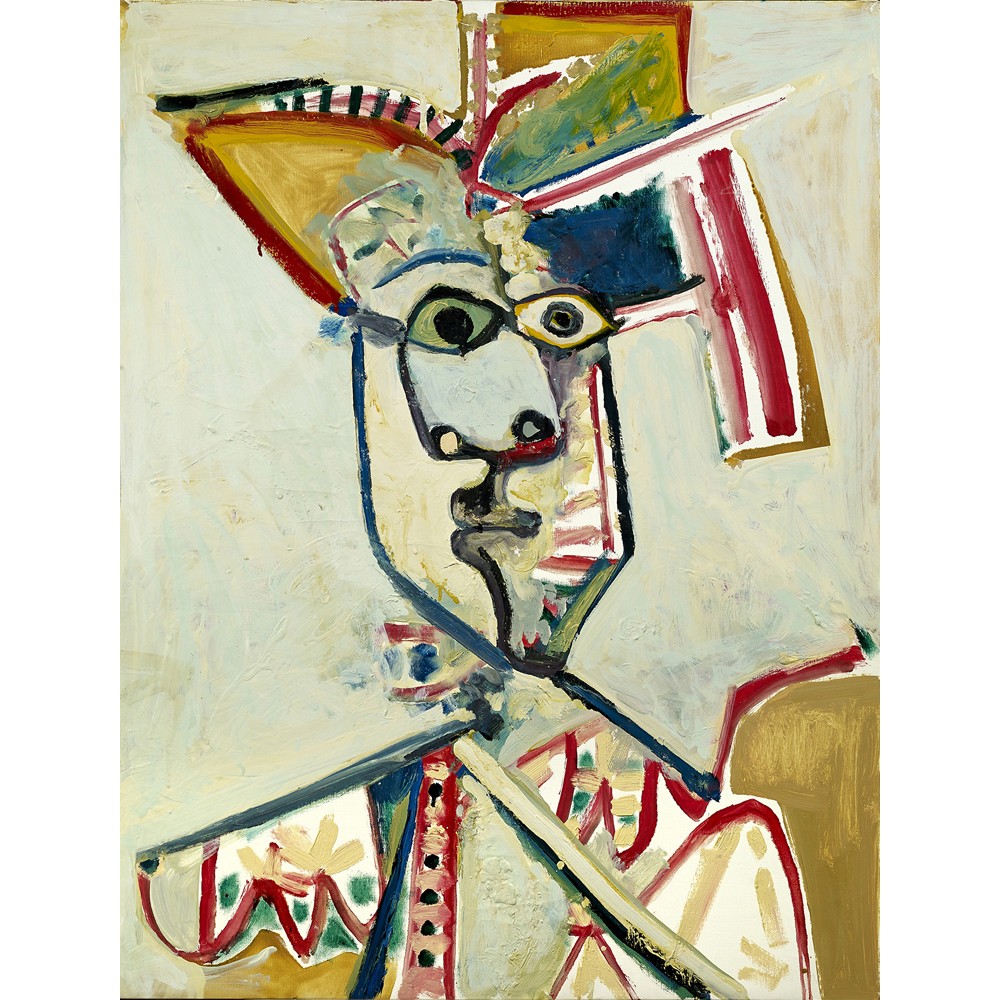
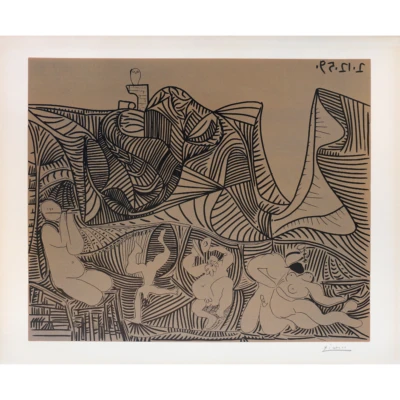
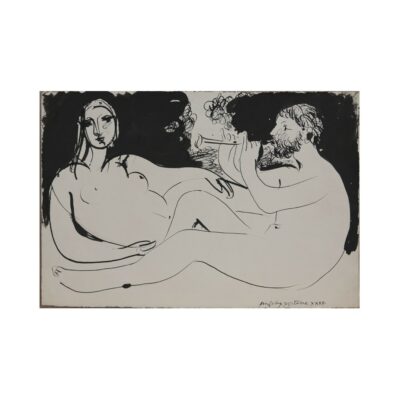
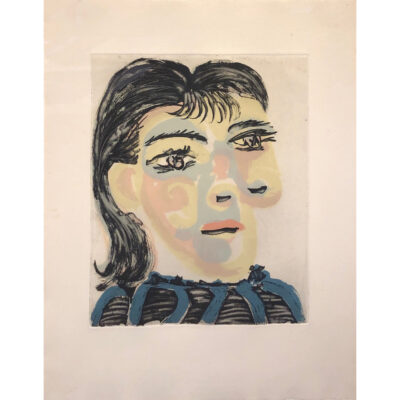
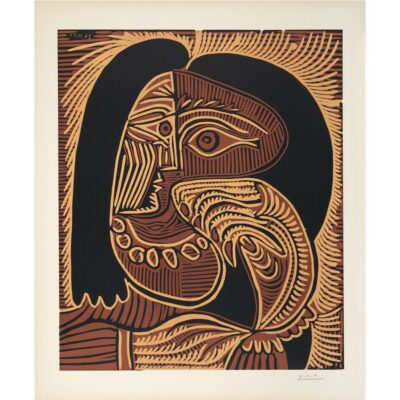
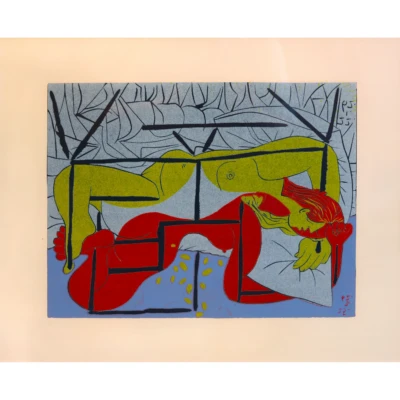
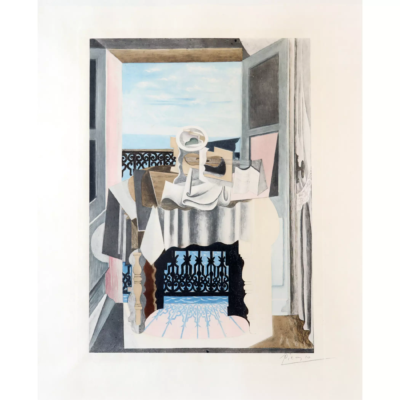
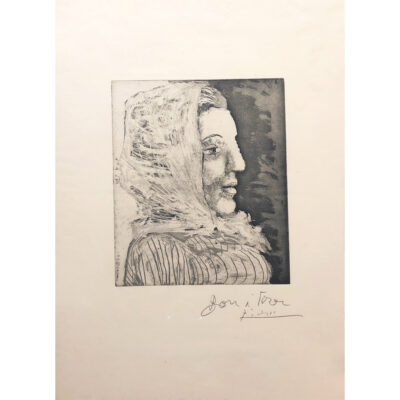
An artist of inexhaustible creativity and exceptional longevity, Pablo Picasso produced a prolific body of work. He expressed himself brilliantly in every technique. He was capable of creating art from anything that caught his eye, from a baby carriage to a bicycle seat. He drew inspiration from both past and contemporary art and maintained a constant dialogue with them. His work renewed and enriched the possibilities of artistic expression in a fundamental way. We should also highlight the abundance of his engravings and his virtuosity in handling various tools.







Biography of the artist Pablo Picasso
Unquestionably the most famous Spanish artist of the 20th century, Pablo Picasso was born in Malaga on October 25, 1881. From childhood, he was surrounded by the arts. His father, don José, was a drawing teacher and curator of the city’s museum. The young Picasso showed exceptional talent from an early age. He received academic artistic training at Barcelona’s School of Fine Arts, La Llotja, and then at the Royal Academy of Fine Arts San Fernando in Madrid. He made his first visit to Paris in the autumn of 1900, to attend the Universal Exhibition with his friend Casagemas. Casagemas’ suicide the following year had a profound effect on Picasso. His painting became darker and more melancholy. This was the Blue Period. He makes the acquaintance of the poet Max Jacob at an exhibition devoted to him by Ambroise Vollard in his rue Laffitte gallery. Picasso moved to the Bateau-Lavoir in Montmartre, Paris, in May 1904. He met André Salmon and Guillaume Apollinaire. They frequented the Medrano circus and Le Lapin Agile. His painting changed. He painted Saltimbanques, acrobats and other circus figures. It becomes lighter. Colors tend toward ochre-pink tones.
Contact
To find out more about our art gallery in Paris, the works available, our appraisal service or our exhibitions: