
Georges Braque (1882-1963)
The creator of Cubism with Pablo Picasso around 1907, after the First World War he adopted a more traditional aesthetic with a fairly dark color palette. Still lifes and landscapes are bathed in a calm, silent atmosphere. Georges Braque was also a painter of birds, which figured prominently in his late work. In 1953, they were given pride of place on the ceiling of the Salle Henri II at the Louvre. A close friend of poets such as René Char, Francis Ponge and Pierre Reverdy, Georges Braque illustrated numerous texts.

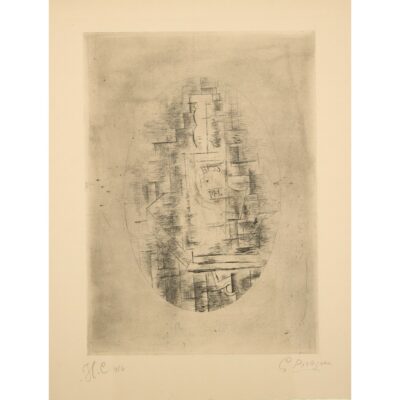
Works of art by the artist Georges Braque
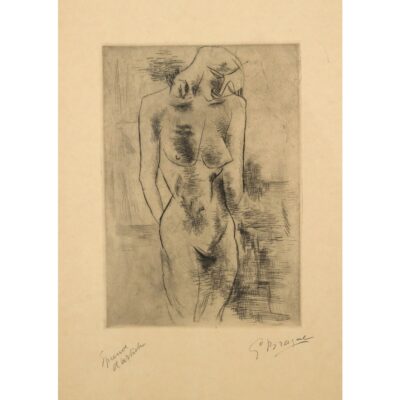

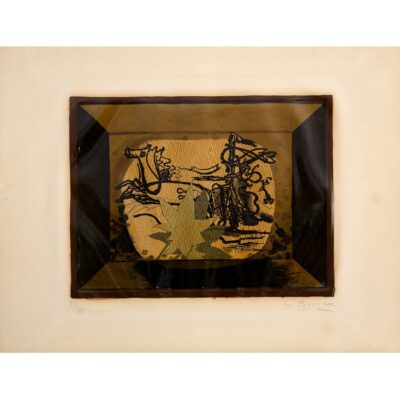
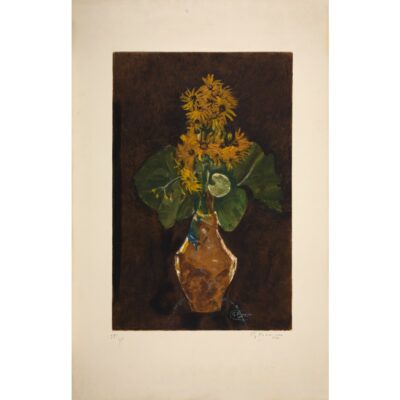
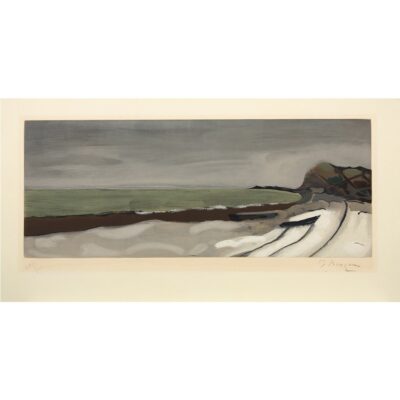

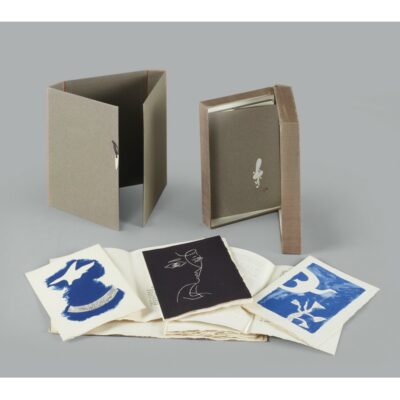
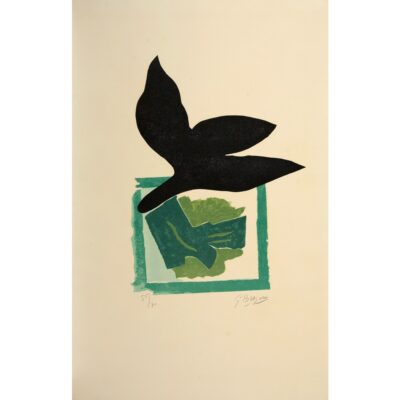

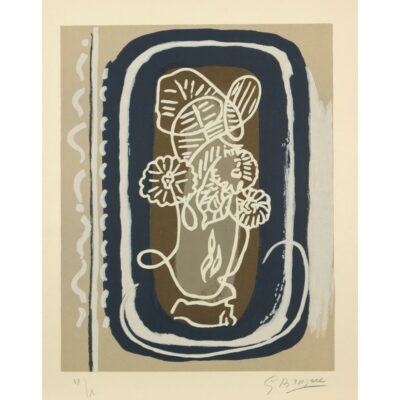
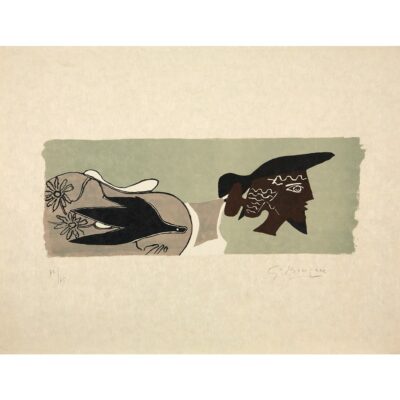

Boris Lipnitzki / Roger-Viollet
Georges Braque artist biography
“Painter of contained richness, of silent truths, of deep, secret knowledge[1] “.
Georges Braque is one of the major artists of the twentieth century. “Together with Picasso, he invented cubism, one of the most important artistic revolutions of the period. Braque came from a family of house painters, and was himself destined to become a decorative painter. He grew up in Le Havre, where he befriended Raoul Dufy and Othon Friesz. He moved to a studio in Montmartre, Paris, in 1904. At the 1905 Salon d’Automne, the discovery of works by Matisse and Derain, brought back from Collioure where they had spent the summer, made a strong impression on him. Fauve painting, dynamic and full of enthusiasm, influenced his work over the following summer. Cézanne’s work quickly became a source of inspiration for him, all the more so as the painter from Aix-en-Provence, who died in October 1906, was in the news at the time: a retrospective exhibition paid tribute to him at the Salon d’Automne in 1907, as did the Bernheim-Jeune gallery.
The discovery of Les Demoiselles d’Avignon, June-July 1907 (New York, Museum of Modern Art) in Picasso’s studio in late November/early December, marked the beginning of a dialogue between the two artists through their works – also nourished on the periphery by works by Matisse, such as Nu bleu souvenir de Biskra 1907 (Baltimore, Museum of Art) and Derain – that would lead them to Cubism. Braque spent several periods in L’Estaque, following in Cézanne’s footsteps. The 1908 Salon d’Automne rejected the landscapes he had painted there during the summer. Daniel-Henry Kahnweiler presented them in his fledgling rue Vignon gallery from November 9 to 28. This was the first public exhibition of Cubism. Twenty-seven landscapes, with their pronounced volumes and lack of perspective, embody what Braque referred to as a tactile, palpable space, in which the objects, the subject, give the feeling of being in the same space as the viewer.
Contact
To find out more about our art gallery in Paris, the works available, our appraisal service or our exhibitions: