
Fernand Léger (1881-1951)
Fernand Léger’s work is both highly personal and imbued with the major trends of modernism that characterized the first half of the 20th century. Color, the decomposition of form, the rhythm of modern life and the city and its mechanistic imagery are omnipresent in his work. His distinctive way of describing volumes earned him the name “tubiste” coined by critic Louis Vauxcelles.
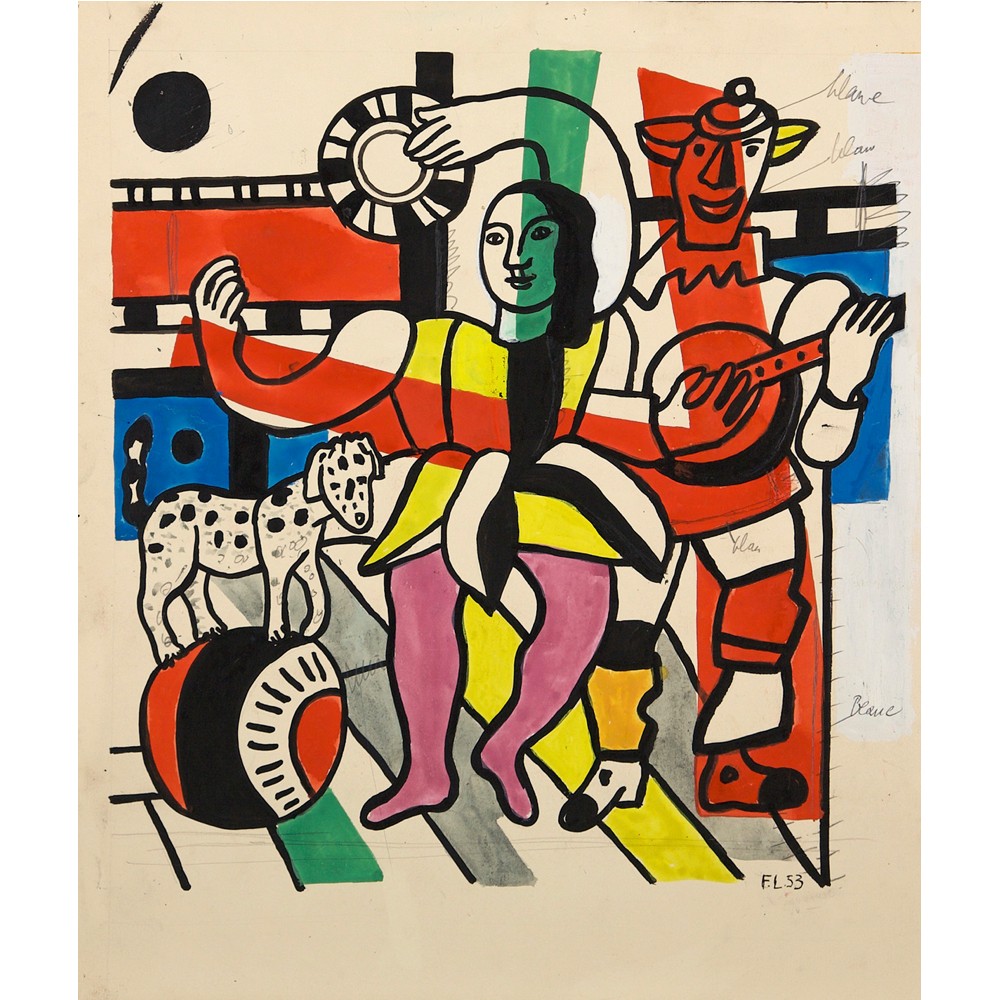
Works of art by the artist Fernand Léger
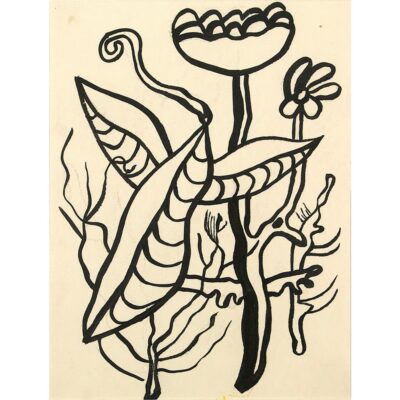
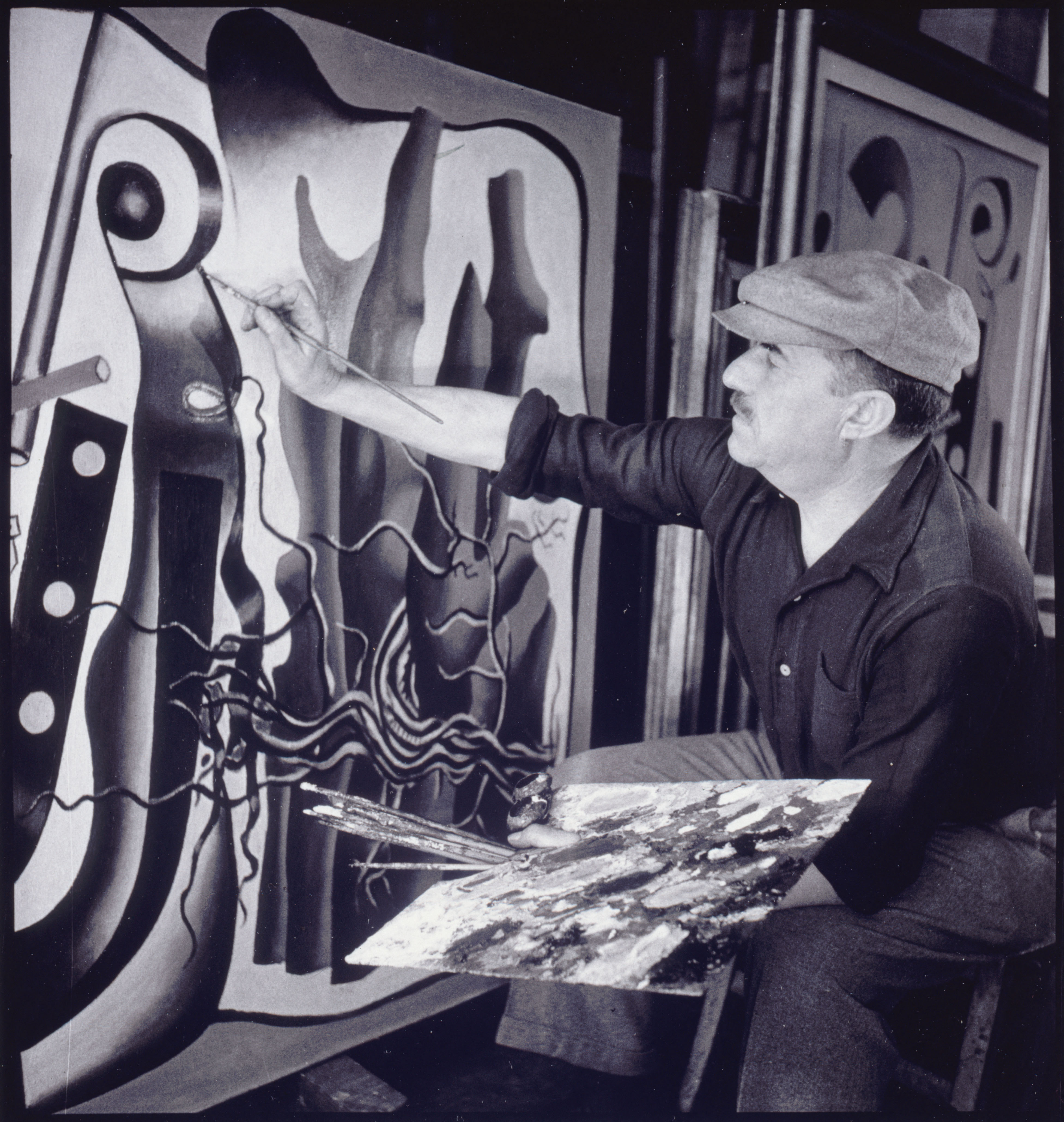
Walter Limot / Musée Carnavalet / Roger-Viollet
Biography of the artist Fernand Léger
Fernand Léger is one of the great figures of modern art in the first half of the 20th century. His work is highly personal, immediately identifiable and firmly rooted in his era.
His family intended him to become an architect. In 1900, he left his native Normandy for Paris. As a free student, he studied with painter Jean-Léon Gérôme at the École nationale supérieure des Beaux-Arts, then with his successor Gabriel Ferrier. He also attended the Académie de la Grande Chaumière. His early works are marked by Impressionism.
The discovery of Cézanne’s work, particularly at the retrospective devoted to him by the Salon d’Automne in 1907, was a revelation, as it was for many other artists of his generation, including Henri Matisse, Pablo Picasso and Georges Braque.
Contact
To find out more about our art gallery in Paris, the works available, our appraisal service or our exhibitions: