
Jean Lurçat (1892-1966)
Lurçat’s work is marked by cubism and a form of metaphysical aesthetics – somewhere between de Chirico and surrealism – which were to form the ferment of his mature language. He gradually abandoned painting for the art of tapestry, of which he became a leading exponent. After the Second World War, Jean Lurçat contributed to the revival and modernization of tapestry.

Works of art by the artist Jean Lurçat
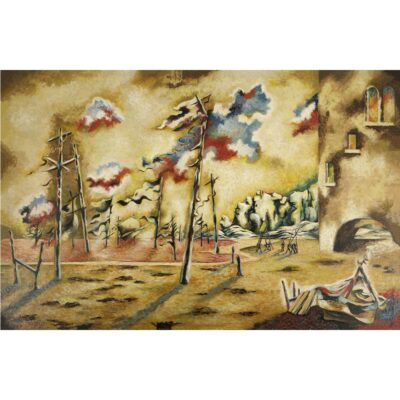
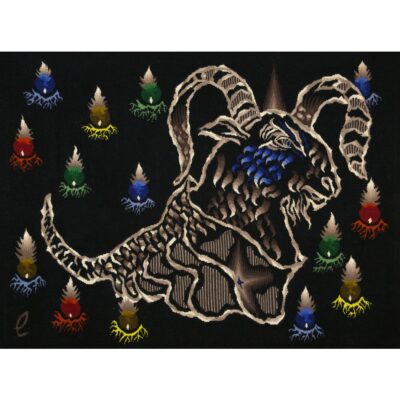
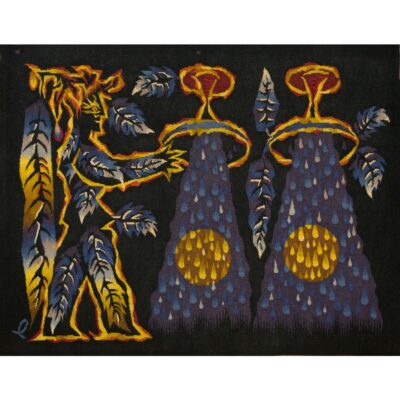

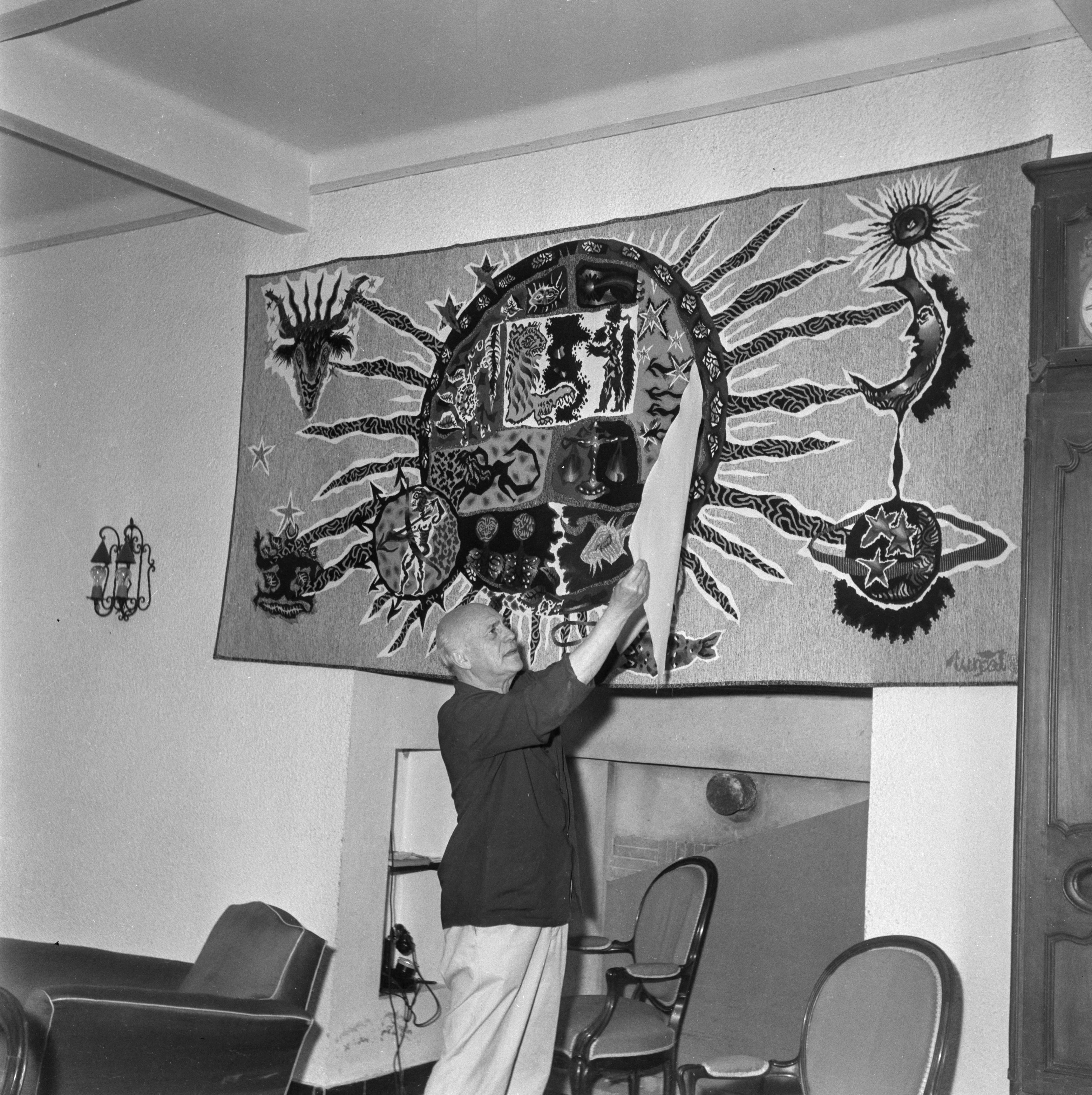
Gaston Paris / Roger-Viollet
Biography of artist Jean Lurçat
A native of the Vosges region, Jean Lurçat studied under Victor Prouvé at the École Nancy, founded in 1901 by Émile Gallé, who advocated the meeting of art and industry, art and decoration. He moved to Paris in 1912, at the height of the Cubist movement. After a brief spell at the École des Beaux-Arts, he entered the Académie Colarossi. Trained as a painter, but strongly influenced by decorative practices, Lurçat soon tried his hand at tapestry. In 1917, his mother commissioned his first canvas-stitch tapestries , Filles vertes and Soirée dans Grenade. After the war, he traveled to Switzerland, Germany and Italy. He exhibits in Zurich, Geneva, Berne and Paris at the Salon des Indépendants (2 tapestries and 4 canvases). Lurçat settles in Paris with his future wife Marthe Hennebert. She creates his two tapestries, Pêcheur and Piscine, in petit point.
Contact
To find out more about our art gallery in Paris, the works available, our appraisal service or our exhibitions: